 |
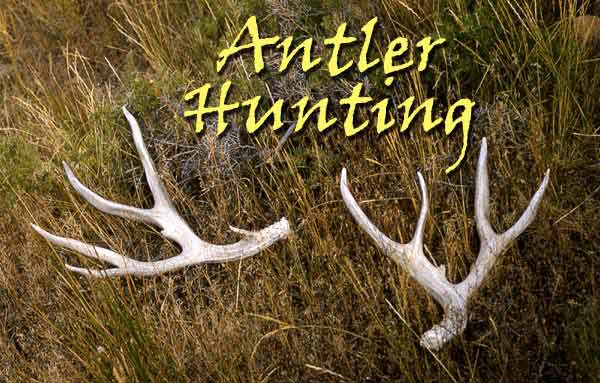 | Antler Hunting
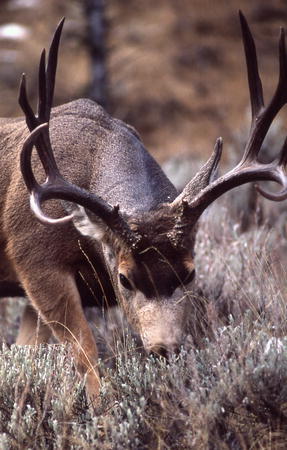
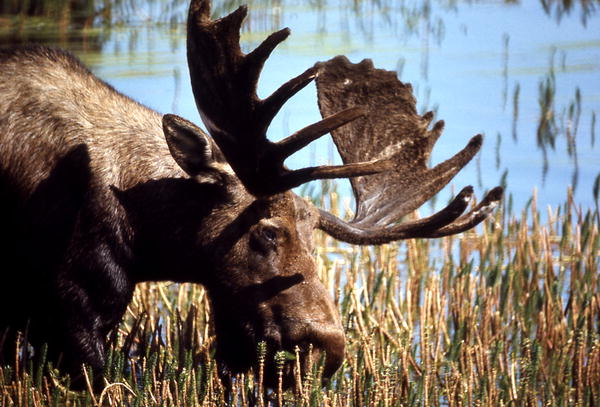
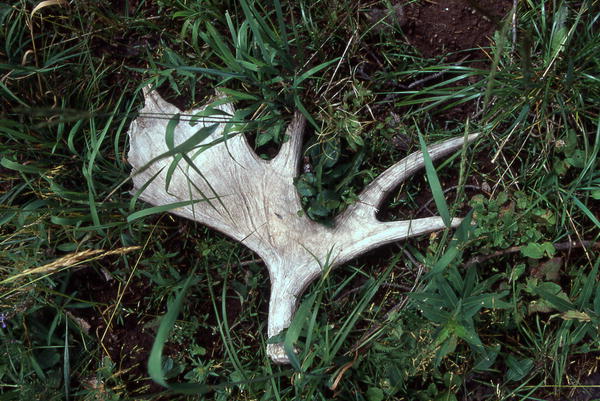
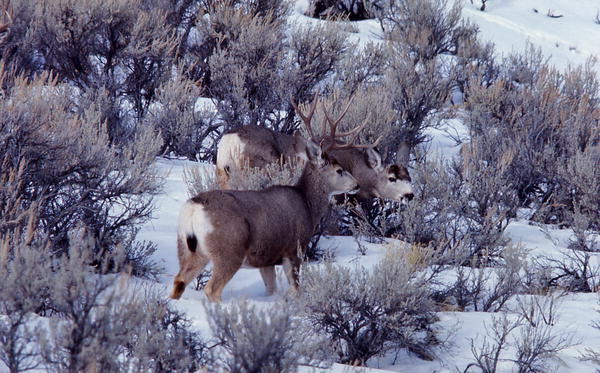
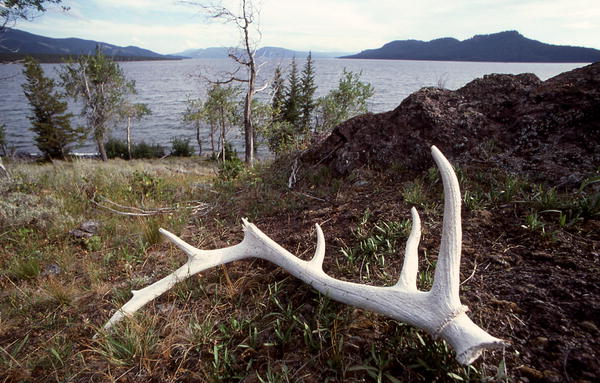
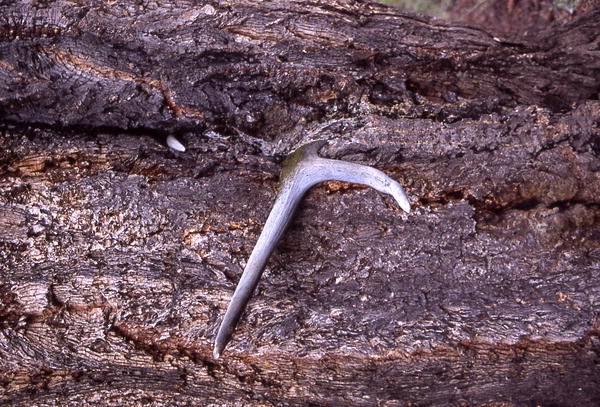
Deer, elk and moose antler shed hunting is usually done in late winter and early spring in Wyoming. NPS photos |
|
| Antler Hunting
Deer, elk and moose antler shed hunting is usually done in late winter and early spring in Wyoming. NPS photos |
Antler Hunting |
| What
is antler hunting? New
laws related to antler hunting (updated March 2014) At their October 4, 2012 meeting, the Wyoming Board of Land Commissioners approved a restriction prohibiting antler hunting on all parcels of land under the jurisdiction of the Board of Land Commissioners West of the Continental Divide, excluding the Great Divide Basin, from January 1 through April 30 of each calendar year. This restriction will begin on January 1, 2013. These lands are often referred to as “state lands” and are usually blue in color on land status maps. This state land restriction coincides with the current authority of Wyoming Statute §23-1-302(a)(xxxi) that gives the Wyoming Game and Fish Commission (WGFC) the authority to regulate antler collection on “public lands” west of the Continental Divide between January 1 and May 1, as per WGFC regulation, Chapter 61 Collection of Shed Antlers and Horns. Many western Wyoming big game herds migrate from high elevation summer ranges to constricted winter ranges as a means to survive harsh winter conditions. Big game animals that concentrate on winter ranges are frequently faced with near starvation conditions, and human disturbances contribute to additional losses of fat reserves, which directly affects their survival. Disturbances can include wildlife viewing, development activity such as construction or energy exploration/production, off-road travel by snowmobiles and ATVs, and antler hunting. Winter range human activity restrictions have been in place for many years on some United States Forest Service (USFS) and Bureau of Land Management (BLM) lands on key winter ranges in western Wyoming and for decades on various WGFC lands and elk feedgrounds. Over the last decade, interest in antler hunting has increased dramatically. As antler hunting increases, additional harassment and disturbance of big game animals similarly increases. These disturbances are occurring at a time when winter conditions play a significant role in big game survival, and any harassment or displacement from crucial winter ranges can dramatically impact over-winter survival. The WGFC antler hunting regulation prohibits antler collection between January 1 and April 30 throughout western Wyoming on public lands. State lands were not included in the regulation’s definition of public land as they are not considered public land in the same sense that BLM or USFS lands are. Therefore, antler hunting was legal on state land. As the public became aware of this, antler hunting activity significantly increased on state lands, resulting in enforcement concerns and harassment and displacement of big game animals from their crucial winter ranges. The actions of the Wyoming Board of Land Commissioners to close state lands to antler hunting will allow game wardens to more effectively enforce the antler hunting regulation and clarify which lands are open or closed to antler hunting. More importantly, the intent of the antler hunting statute and regulation will be realized by reducing impacts and enabling big game animals to remain on more suitable winter habitats, thereby increasing winter survivability. If you have any questions regarding the Wyoming Board of Land Commissioners closing state lands to antler hunting, please call the Office of State Lands and Investments at (307) 777-7331 or email slfmail@wyo.gov To view a copy of the WGFC regulation, Chapter 61 Collection of Shed Antlers and Horns, please go to: http://wgfd.wyo.gov/web2011/Departments/Hunting/pdfs/Regulations_Ch61.pdf To find out if the area in which you wish to antler hunt is open to public presence and antler hunting, contact the Pinedale Field office of the Wyoming Game & Fish, 307-367-4352. _________________________________________ WYOMING
GAME AND FISH COMMISSION WYOMING CAME AND FISH COMMISSION When
are antlers shed? Difference
between antlers and horns Sheep, goat and bison are the only ones to keep horns permanently.The only way to get horns is to retrieve them from the carcass of a dead animal, which often requires meeting hunting license proof requirements. Antler hunting is sometimes called "horn hunting" (even though they are really looking for antlers, not horns). Antler
hunting - Horn hunting Wyoming Game and Fish officials ask that antler hunters be aware that winters are hard on the animals also. Their energy reserves very depleted. Prospective antler hunters are asked to keep their distance from wintering animals to minimize stress and disturbance on winter ranges. Some areas of public land have restrictions between January 1 and April 30 on when and where human presence is allowed, so be sure to know the rules for the area in which you wish to go antler hunting. Antler hunting is prohibited on ALL state land west of the Continental Divide in Wyomin, excluding the Great Divide Basin, from January 1 through April 30 of each calendar year. Motorized vehicles, ATVs, and off-road presence may be prohibited in certain winter range areas between certain dates. Permission is required from landowners to go onto private land to search for antlers. G&F walk-in hunting and fishing areas are only open to hunting and fishing and are closed to antler hunting. Minimizing
stress to wintering animals while antler hunting Where
to go antler hunting? To find out if the area in which you wish to antler hunt is open to public presence and antler hunting, contact the Pinedale Field office of the Wyoming Game & Fish, 307-367-4352. For
more information
|
Antler Hunting Season is May 1 to Dec. 31 on public lands west of the Continental Divide in Wyoming. Antler hunting is prohibited between January 1 through April 30th. For more info, call the Pinedale Office of Wyoming Game & Fish, 307-367-4352. NPS photos Related Links: Click here for info on Big Game Hunting Sublette County Outfitters & Guides Association
|
| |
| To
contact Pinedale Online, call 307-360-7689, e-mail: support@pinedaleonline.com,
or stop by our office located in Office Outlet in Pinedale, 43 S. Sublette
Ave.
Copyright 2022, all rights reserved. Photos by NPS as credited. | |